
Deep Learning Explained: How Modern AI Systems Learn Complex Patterns
In the previous article, we explored Machine Learning and how computers learn patterns from data instead of relying only on rules written by programmers. Machine Learning made it possible for systems to improve automatically by analyzing large amounts of information.
However, when people talk about modern Artificial Intelligence, another term often appears: Deep Learning.
Many assume that Deep Learning is completely different from Machine Learning. In reality, Deep Learning is a specialized branch of Machine Learning designed to handle much more complex data and problems.
To understand this better, let us first explore what Deep Learning actually means.
What Is Deep Learning?
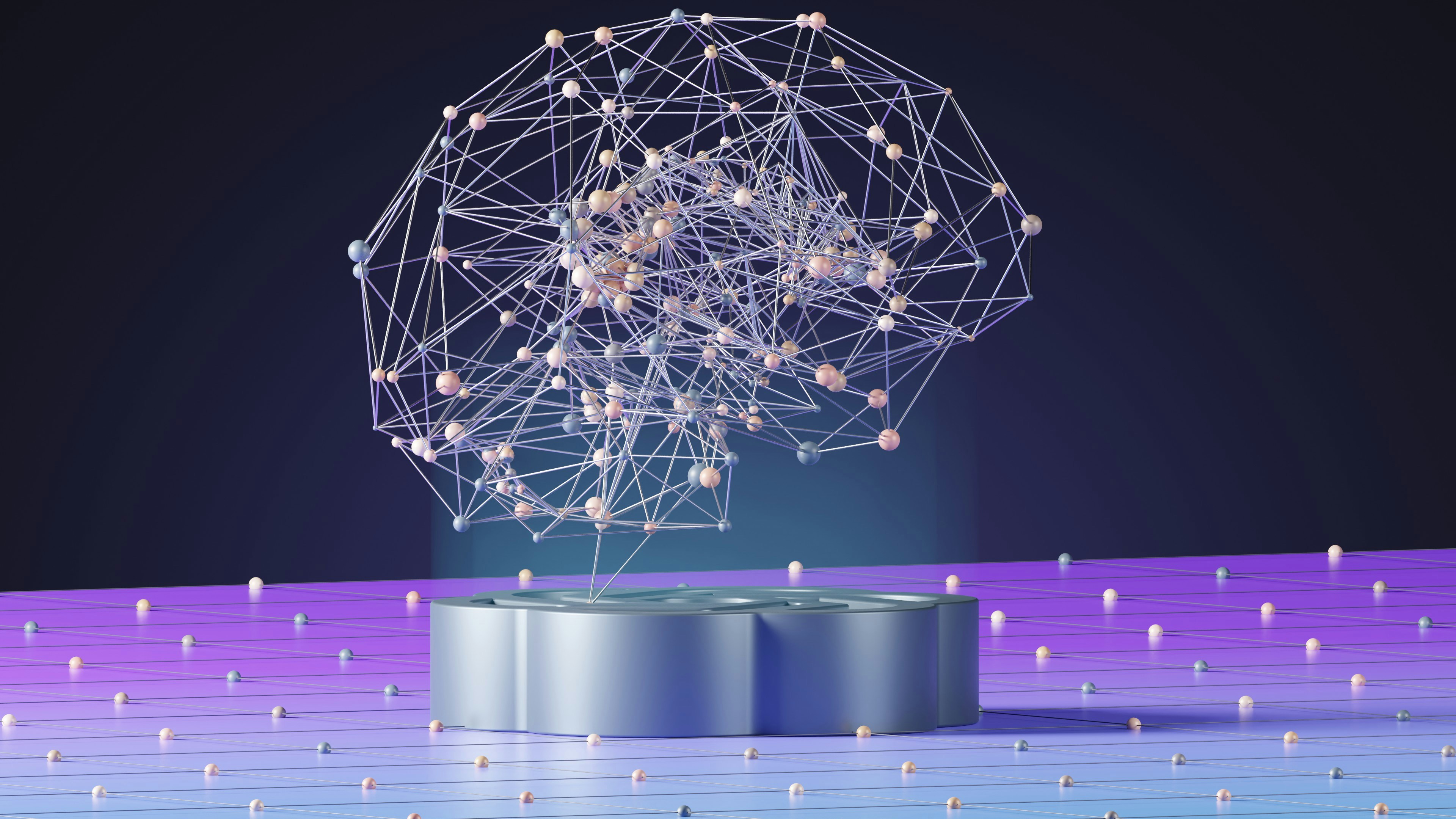
Deep Learning is a type of Machine Learning that uses models called neural networks. These neural networks are inspired by how the human brain processes information.
The human brain contains billions of neurons that communicate with each other and learn from experience. Deep Learning models attempt to imitate this idea using artificial neurons arranged in multiple layers.
Each layer processes information and passes the result to the next layer. As data moves through these layers, the system gradually learns more detailed patterns. Because these networks contain many layers, the learning process becomes “deep,” which is why the term Deep Learning is used.
Instead of learning simple relationships in data, Deep Learning systems can understand complex patterns in images, speech, and language.
Understanding Deep Learning with a Simple Example
Consider the task of recognizing whether an image contains a cat.
In traditional Machine Learning, engineers might manually define features such as ear shape, whiskers, or body structure. The system would then use those predefined features to classify the image.
Deep Learning approaches this problem differently. Instead of manually specifying features, the model learns them automatically from large amounts of training data.
At the beginning, the system might learn basic patterns such as edges and shapes. In later layers, it begins to recognize more complex structures like eyes, ears, and fur patterns. Eventually, by combining all these layers of information, the model becomes capable of identifying a cat in new images it has never seen before.
This layered learning process allows Deep Learning models to perform tasks that are extremely difficult for traditional algorithms.
Why Deep Learning Became So Powerful
Although Deep Learning concepts existed for many years, they became practical only in the last decade. Several important developments helped accelerate its growth.
One major factor was the availability of massive datasets. Modern digital systems generate huge amounts of information every day, including images, videos, text, and audio recordings. These datasets provide the training material required for deep neural networks.
Another important factor was the improvement in computing power. Graphics Processing Units (GPUs) made it possible to train very large neural networks much faster than traditional processors.
Finally, advances in research and better training algorithms helped improve the accuracy and efficiency of deep learning models. Together, these developments made Deep Learning the foundation for many modern AI systems.
Real-World Applications of Deep Learning
Deep Learning is used in many technologies that require understanding complex data.
Voice assistants such as Siri, Alexa, and Google Assistant rely heavily on deep learning to recognize speech and understand natural language.
Image recognition systems in healthcare use deep learning to analyze medical scans and detect diseases. Autonomous vehicles depend on deep learning models to recognize pedestrians, traffic signals, and road signs in real time.
Modern AI chatbots such as ChatGPT and Gemini are also built using very large deep learning models that can understand and generate human-like text.
These examples show how deep learning enables machines to handle tasks that require interpreting complex information.
Deep Learning vs Machine Learning
Deep Learning is technically a part of Machine Learning, but there are some important differences between them.
Machine Learning models often require humans to identify the important features in data before training the system. This process is called feature engineering, and it requires domain knowledge and manual effort.
Deep Learning models reduce this need because they automatically discover useful features directly from raw data. By processing information through multiple layers, they learn increasingly complex patterns without needing explicit instructions.
Another difference lies in the amount of data required. Traditional Machine Learning models can work reasonably well with smaller datasets, while Deep Learning models usually require very large amounts of data to achieve high accuracy.
Deep Learning models also demand more computing power because training deep neural networks involves processing millions or even billions of parameters.
When Should Deep Learning Be Used?
Deep Learning is particularly effective when working with unstructured data such as images, audio recordings, and natural language text.
Tasks like speech recognition, object detection in photos, automatic translation, and conversational AI benefit greatly from deep learning techniques.
However, not every problem requires deep learning. In many practical situations, traditional machine learning models are simpler, faster, and easier to implement. Choosing the right approach depends on the type of problem, the amount of available data, and the computational resources.
Final Thoughts
Deep Learning represents one of the most significant advances in modern Artificial Intelligence. By using neural networks with multiple layers, deep learning systems can discover complex patterns in large datasets and perform tasks that once seemed impossible for machines.
While Machine Learning introduced the concept of computers learning from data, Deep Learning expanded those capabilities and enabled breakthroughs in fields such as computer vision, speech recognition, and natural language processing.
Understanding Deep Learning helps us better appreciate how many modern technologies work behind the scenes and why AI systems have become so powerful in recent years.
Next Article in This Series
What Are Large Language Models (LLMs)? How AI Systems Like ChatGPT or Gemini Actually Work